Non-touristy things to do in London: a 48‑hour 'London like a local' itinerary
If you want non-touristy things to do in London, spend 48 hours in east and south London rather than the West End. This compact plan stitches together independent museums, secret gardens, locals’ pubs and neighbourhood walking routes that are easy to time, cheap to do and well served by TfL — with accessibility notes and one bookable micro‑tour to consider.
Day 1: Docklands to Rotherhithe — maritime micro‑museums and riverside streets
09:30 — Museum of London Docklands (West India Quay). Start here to anchor the morning: the museum explains how the Thames docks shaped modern London. Typical visits take 60–90 minutes; admission to the museum’s permanent displays is normally free but check the museum’s site for current opening times and ticketed exhibitions. TfL: step‑free access via West India Quay DLR or a short walk from Canary Wharf station. Budget alternative: a self‑guided half‑hour walk around the three small dock basins, free.
11:30 — Walk the Thames Path south along South Dock, passing converted warehouses and moored barges towards Rotherhithe. Allow 30–40 minutes; pavement surfaces are level but watch for narrow stretches.
12:15 — Brunel Museum (Rotherhithe). This compact heritage site focuses on the Thames Tunnel and Isambard Kingdom Brunel’s engineering. Allow 45–75 minutes for the museum and the Engine House; the museum runs occasional guided climbs or talks that must be booked in advance — check the Brunel Museum website for current ticketed events and accessibility restrictions. Small‑budget alternative: sit outside the Engine House and read the interpretation panels, free.
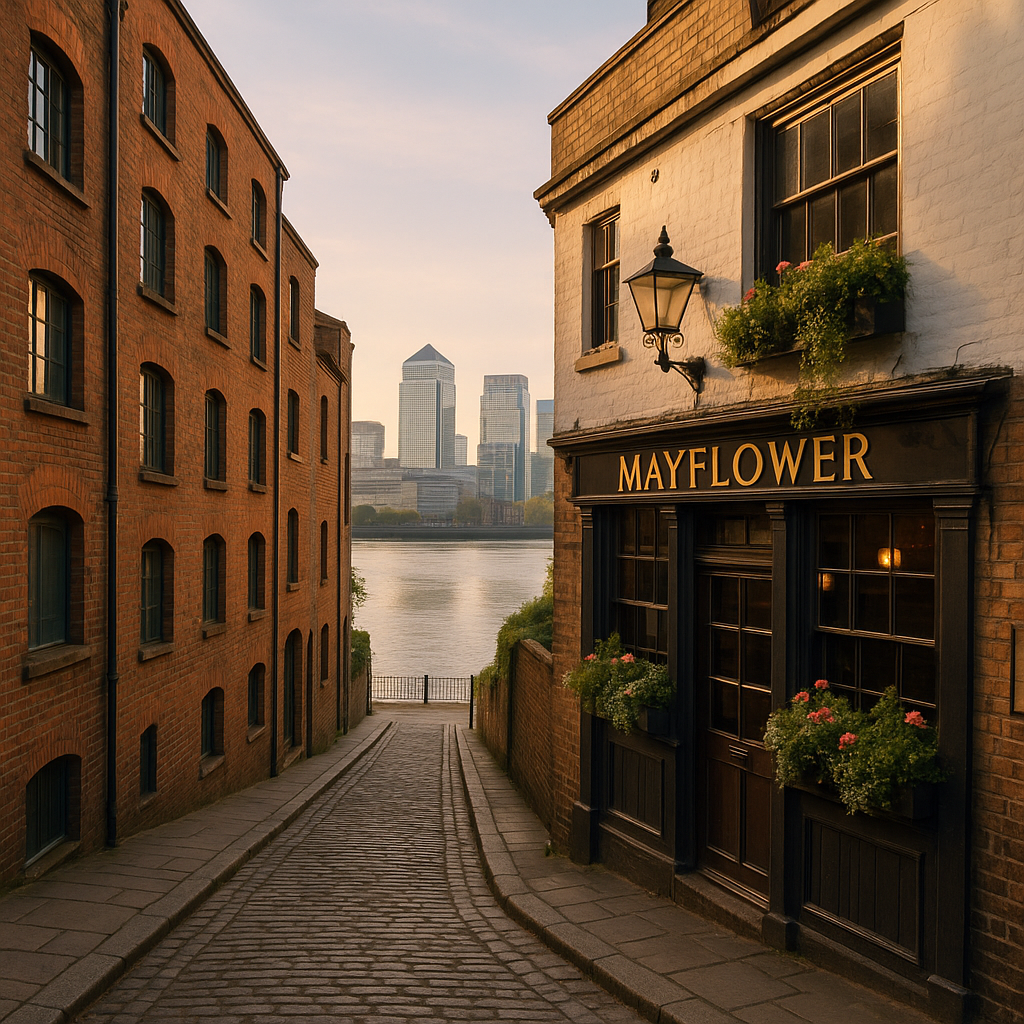
13:45 — Lunch at The Mayflower, Rotherhithe’s riverside pub. It’s the sort of locals’ pub where you’ll encounter regulars and river pilots rather than tourist queues. Budget option: pick up a sandwich from a nearby deli and picnic on the riverbank.
15:00 — Crossbones Garden and a short loop to Bermondsey Street. Crossbones is a small, informal garden and memorial that feels private despite its proximity to the city; it’s maintained by volunteers, open during daylight hours. Continue to Bermondsey Street for independent cafés and galleries. If you’re visiting on Saturday, Maltby Street Market is a short walk away and offers small‑plate street food; it operates on weekends only.
Accessibility notes for Day 1: the DLR and many Docklands stations have lifts; however some historic streets in Rotherhithe and Bermondsey are cobbled or uneven. Check each venue’s accessibility page in advance.
Day 2: South London — Horniman green spaces and Peckham neighbourhoods
09:30 — Horniman Museum and Gardens (Forest Hill). This underrated independent museum combines natural history displays, a small aquarium and generous gardens with a panoramic view over London. The museum’s grounds are the day’s secret garden: a peaceful place for a morning coffee. Many galleries are free, but special exhibitions may be ticketed. TfL: reach Forest Hill by Overground or Southeastern rail; there’s a moderate uphill walk to the gardens. Budget alternative: bring a thermos and enjoy the free outdoor spaces.
12:00 — Travel to Peckham (Overground via Canada Water to Peckham Rye). Peckham Rye offers a very different London mood: independent cafés, second‑hand shops and the Peckham Rye Park. If open, Frank’s Café on the multistorey car park is a seasonal rooftop with views — check opening times and whether a booking is needed. Otherwise, head to Rye Lane for small‑scale shopping and coffees.
14:00 — Independent micro‑museums and galleries loop. Peckham and nearby Camberwell have a cluster of artist‑run spaces and small galleries; many rotate exhibitions and are free or accept donations. This is the time to drop into a gallery, buy a zine or join a short artist talk if one is running.
16:00 — Early evening pub or market. Local pubs in Peckham and Honor Oak tend to have a genuine neighbourhood feel. If it’s Sunday, consider Columbia Road Flower Market (arrive early) as a lively but still local‑flavoured alternative — note that it gets busy and is best on foot or by short bus ride.
Accessibility notes for Day 2: Horniman’s main galleries and garden paths are accessible; some independent galleries in Peckham may be in older buildings without lifts. Check venues before you go.
Transport, costs and practicalities
- TfL: use contactless or Oyster for easiest fares; daily caps apply. For step‑free routes and station accessibility, consult the TfL step‑free map before you travel. - Costs: many independent museums and galleries in London are free or low‑cost (donations requested). Budget £5–15 per paid entry, £10–25 for a modest meal in a local pub or market, and a daily transport cap depending on zones travelled. - Timing: this itinerary is deliberately compact; each museum stop allows 45–90 minutes, leaving space for unplanned discoveries.
One bookable micro‑tour to consider
If you want a guided option, book a Brunel Museum talk or climb (when available) in advance — it’s short, specialist and local in scale. Otherwise, check the Museum of London Docklands’ events page for occasional guided walks in the Docklands area.
Why this works
These neighbourhoods show London’s working‑city layers: docks and warehouses, small museums with strong stories, intimate gardens and pubs where locals meet. You’ll see architectural and social history without the West End bustle, and the short walking legs mean you actually get to know a place rather than tick a landmark box.
If you want maps or a printable two‑day schedule to follow on your phone, I can pack the route into a timed plan with TfL connections and step‑free options. Otherwise, take a pair of comfortable shoes, check opening times on the venues’ websites and enjoy watching the city slow down into neighbourhood scale.
Discover more local London reading and routes when you’re ready — there’s always another hidden garden to find.